


How to Choose the Right Size for Hand-Painted Oil Paintings and Care for Oversized Artwork
Choosing the right artwork can transform an ordinary room into a sophisticated living space. Whether you are decorating a modern living room, a luxury hotel, or a contemporary office, understanding painting proportions and proper maintenance will help you enjoy your artwork for years to come.
From selecting large hand painted oil paintings to displaying statement pieces and maintaining their original beauty, this guide explains how to choose the right canvas size, create a balanced interior, and protect your investment with practical conservation advice.
1. How to Choose the Right Size for a Hand-Painted Oil Painting
The right painting size depends on the wall dimensions, ceiling height, furniture placement, viewing distance, and the visual effect you want to achieve. A well-proportioned painting can create a focal point without overwhelming the room.
Measure the Wall Before Choosing the Artwork
Before purchasing a painting, measure the available wall width and height. Consider nearby windows, doors, light fixtures, furniture, and architectural details. For a painting above a sofa, a useful starting point is to choose artwork approximately two-thirds to three-quarters of the sofa's width. This is a design guideline rather than a strict rule, and the ideal proportion depends on the room.
- Small artwork: Suitable for narrow walls, reading corners, bedrooms, and compact spaces.
- Medium-sized paintings: Ideal for dining areas, home offices, bedrooms, and smaller living rooms.
- Large paintings: Suitable for spacious living rooms, open-plan interiors, reception areas, and prominent feature walls.
- Extra-large paintings: Best for high ceilings, expansive walls, luxury interiors, and commercial spaces where a dramatic visual statement is desired.
Popular Large Oil Painting Sizes for American Homes
In the US market, artwork is often measured in inches. The following dimensions are practical starting points for comparing canvas sizes, rather than universal standards.
| Canvas Size | Suggested Placement | Design Effect |
|---|---|---|
| 24 × 36 inches | Bedrooms, home offices, smaller living rooms | Elegant and understated |
| 30 × 40 inches | Dining rooms, above consoles, medium walls | Balanced and versatile |
| 36 × 48 inches | Living rooms and feature walls | Strong visual presence |
| 48 × 60 inches | Large living rooms and spacious interiors | Bold and sophisticated |
| 48 × 72 inches or larger | High ceilings, large open walls, hotels and commercial interiors | Dramatic statement piece |
Always check whether the listed dimensions refer to the canvas alone or the complete framed artwork. Frame thickness can significantly increase the final dimensions and weight.
2. How to Style Oversized Wall Art in Different Rooms
Choosing oversized wall art is not simply about filling an empty wall. The painting should complement the room's proportions, color palette, furniture, and natural lighting.
Living Room: Create a Statement Focal Point
A large hand-painted oil painting can anchor a living room and connect the colors of the sofa, rug, curtains, and decorative accessories. Abstract compositions work well in contemporary interiors, while landscapes and expressive figurative paintings can create a warmer, more traditional atmosphere.
When hanging a painting above a sofa, leave enough space between the artwork and the furniture to maintain visual separation. A gap of approximately 6–10 inches is a common starting point, adjusted for the ceiling height, furniture scale, and overall composition.
Bedroom: Create a Calm and Balanced Atmosphere
For a bedroom, consider placing a horizontal painting above the headboard or choosing a pair of coordinated paintings. Soft landscapes, muted abstract artwork, and restrained color palettes can complement a relaxing interior.
Dining Room: Add Color and Personality
A dining room offers an opportunity to display more expressive artwork. Choose a painting that coordinates with the table, lighting, and wall color. Avoid positioning valuable paintings where they are likely to be exposed to food splashes, cooking residue, or frequent accidental contact.
Entryway and Commercial Interiors
A large original painting can create an immediate impression in an entryway, boutique hotel, corporate office, or reception area. Before installation, confirm that the wall structure and hanging hardware can safely support the complete weight of the framed artwork.
3. Choose the Right Orientation, Colors, and Painting Style
Size is only one part of the selection process. The orientation and artistic style also affect how a painting interacts with the surrounding space.
- Horizontal paintings: Often work well above sofas, beds, dining tables, and long consoles.
- Vertical paintings: Can emphasize ceiling height and suit narrow walls, entryways, and spaces beside architectural features.
- Square paintings: Offer a balanced, contemporary appearance and work well as individual focal points.
- Multi-panel compositions: Can extend across a broad wall while creating a sense of rhythm and movement.
For a cohesive interior, select colors that complement existing furnishings. A painting does not need to match every decorative element exactly. Repeating one or two accent colors can create harmony while allowing the artwork to remain the room's main attraction.
4. How to Hang Large Hand-Painted Oil Paintings Safely
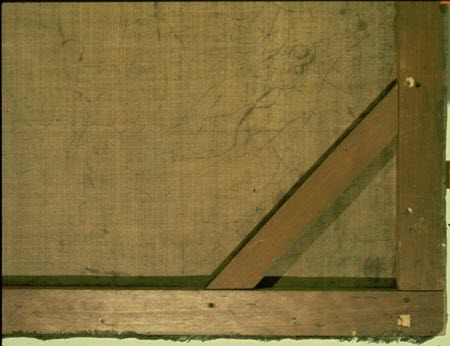
Large oil paintings require careful installation because their weight, size, frame construction, and canvas support all affect their stability. Before hanging the artwork, inspect the frame, stretcher, hanging hardware, and wall surface.
- Choose hanging hardware rated for the artwork's actual weight.
- Secure wall fixings to suitable structural supports or use properly rated anchors for the specific wall construction.
- Consider two hanging points or additional support for heavy framed paintings when appropriate.
- Keep the painting away from doors, busy walkways, and areas where it may be bumped.
- For very large or heavy artwork, arrange professional installation and use sufficient trained handlers.
The Canadian Conservation Institute recommends careful handling, advance planning, and suitable equipment for large or oversized paintings. Avoid lifting artwork by vulnerable corners or pressing against the canvas surface.
5. Essential Oil Painting Care Tips for Long-Term Preservation
Proper oil painting care helps preserve the appearance, structure, and long-term condition of an original painting. Oil paintings consist of multiple materials, including canvas or another support, preparation layers, pigments, binders, and sometimes a varnish coating. Each material can respond differently to environmental changes.
Keep Paintings Away from Direct Sunlight
Prolonged exposure to direct sunlight can cause fading and color changes. Even indirect light can contribute to gradual deterioration over time. Display valuable paintings away from direct sun and avoid placing spotlights so close that they create excessive heat on the surface.
Maintain a Stable Indoor Environment
Rapid changes in temperature and relative humidity can cause canvas and wooden supports to expand, contract, or distort. These changes may contribute to cracking, slack canvas, and other forms of deterioration.
Avoid hanging valuable oil paintings directly above fireplaces, beside heating vents, near air-conditioning outlets, or against persistently damp walls. A reasonably stable indoor environment is preferable to frequent fluctuations.
Protect the Painting from Dust and Household Pollutants
Keep paintings away from cooking fumes, smoke, moisture, and areas exposed to frequent splashing. Dust can accumulate on the surface over time, particularly in rooms with heavy airborne pollutants.
Do not assume that every painting can safely be dusted at home. Textured impasto, fragile paint, flaking areas, matte finishes, and delicate surfaces may be damaged even by seemingly gentle cleaning.
Never Use Household Cleaners or Water on the Paint Surface
Do not use water, soap, alcohol, solvents, commercial cleaning sprays, oils, or abrasive materials to clean an original oil painting. These substances may damage the paint, alter the varnish, or cause irreversible changes.
If the painting becomes discolored, develops cracks, shows loose paint, or requires varnish removal, consult a qualified paintings conservator. Professional assessment is particularly important for valuable, antique, or heavily textured works.
6. How to Move and Store Oversized Oil Paintings
Moving a large painting requires planning, adequate assistance, and protection against impact, abrasion, and sudden environmental changes.
- Inspect the frame, canvas, and paint surface before moving the artwork.
- Clear the route and prepare a safe place to set the painting down.
- Use two or more suitable handlers, or professional art movers for heavy or oversized pieces.
- Hold the painting by stable frame or stretcher edges without touching the painted surface or pressing against the canvas.
- Use suitable protective materials and rigid support during transport. Do not allow wrapping materials to rub against a fragile or textured paint surface.
- For storage, protect the painting from dust, moisture, extreme temperatures, and accidental impact. Store it securely in a suitable upright position with appropriate support.
For exceptionally large, fragile, or unframed paintings, professional art-handling equipment and custom transport protection may be necessary.
7. Frequently Asked Questions
What is the best size for a large painting above a sofa?
A painting measuring approximately two-thirds to three-quarters of the sofa's width is a useful starting point. For example, a 90-inch sofa may work well with artwork around 60–68 inches wide, depending on the frame, ceiling height, and surrounding decor.
Are large hand-painted oil paintings suitable for modern interiors?
Yes. Abstract compositions, contemporary landscapes, expressive brushwork, and restrained color palettes can complement modern, transitional, and minimalist interiors. The key is to choose a size and style that suit the room.
How often should an oil painting be cleaned?
There is no universal cleaning schedule. Regular visual inspection is useful, but professional cleaning should depend on the painting's materials, surface condition, environment, and conservation needs. Avoid routine wet cleaning or aggressive dust removal.
Can a large oil painting hang above a fireplace?
It is generally better to choose a location with more stable temperature and humidity. Heat, dry air, and soot around fireplaces may contribute to deterioration. If the painting is valuable, consult a conservator before choosing a location above a fireplace.
Conclusion
Selecting the right painting size and maintaining suitable display conditions are essential for creating a beautiful and lasting interior. By measuring the wall, considering furniture proportions, choosing complementary colors, and installing the artwork securely, you can make a large hand-painted oil painting the centerpiece of your space.
Just as importantly, protecting the painting from direct sunlight, unstable humidity, physical impact, and inappropriate cleaning will help preserve its beauty. When a large or valuable artwork needs specialist attention, professional conservation is the safest approach.
References and Further Reading
- Canadian Conservation Institute: Caring for Paintings
- Canadian Conservation Institute: Basic Care for Paintings
- Smithsonian American Art Museum: How to Care for Your Collections
- Smithsonian Museum Conservation Institute: Does My Painting Need to Be Cleaned?
Image credit: Canadian Conservation Institute, Government of Canada. Refer to the source page for image-specific copyright and reuse conditions before commercial republication.