


News: How to Decorate Your Living Room with Large Hand-Painted Oil Paintings
How to Decorate Your Living Room with Large Hand-Painted Oil Paintings
Looking to transform your living room into a stylish and inviting space? Large hand-painted oil paintings are a beautiful way to add personality, color, and sophistication to American home interiors. Whether you love modern organic design, contemporary minimalism, or classic American elegance, the right painting can turn an empty wall into a stunning focal point.
In this guide, discover how to choose, position, and style large hand-painted oil paintings to create a beautiful living room that reflects your personal taste.
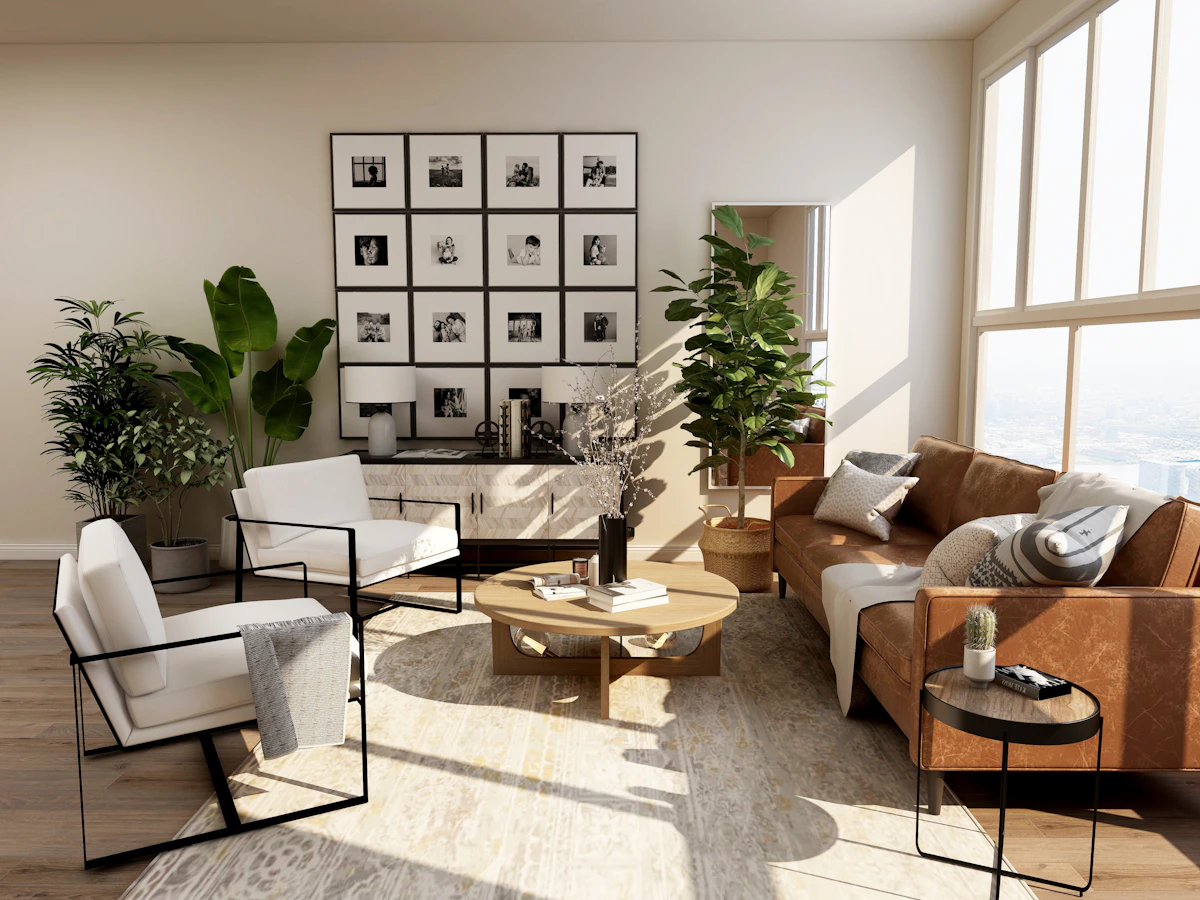
1. Make a Statement with Oversized Wall Art
One of the most effective ways to elevate a living room is to introduce a large painting that immediately draws the eye. Oversized artwork creates a strong visual anchor, helping the furniture and decorative elements feel connected.
In American interiors, large abstract paintings, expressive landscapes, and contemporary textured artwork are versatile choices for living rooms. A single substantial canvas can create an elegant focal point without making the space feel crowded.
For inspiration, explore contemporary artwork and interior styling at Saatchi Art and Artsy.

2. Choose the Right Painting Style
Abstract Oil Paintings
Abstract art works beautifully in modern, contemporary, and transitional living rooms. Bold brushstrokes, layered pigments, and organic shapes can introduce visual energy while complementing clean-lined furniture.
For a calm and sophisticated atmosphere, consider paintings featuring ivory, beige, muted blue, olive green, or earthy brown. If your living room has neutral walls and upholstery, a more colorful composition can create an eye-catching contrast.
Landscape Oil Paintings
Landscape paintings bring a sense of openness and tranquility to interior spaces. Mountains, coastlines, forests, and atmospheric horizons work particularly well in coastal homes, farmhouse interiors, and modern organic living rooms.

Choose soft blues and sandy tones for a coastal aesthetic, or warmer greens and browns for interiors featuring natural wood, linen, and stone.
Textured Contemporary Paintings
Textured oil paintings add depth and dimension through visible brushwork and layered paint. These artworks pair naturally with sculptural furniture, neutral sofas, oak tables, and other elements associated with modern organic interiors.
3. Find the Perfect Size Above Your Sofa
Scale is essential when selecting large oil paintings for living room decor. A painting that is too small may look disconnected from the furniture, while an oversized piece that overwhelms the wall can make the room feel unbalanced.
A useful guideline is to choose artwork approximately two-thirds to three-quarters of the sofa's width. This proportion helps create a harmonious relationship between the painting and the seating area.
- Small sofas: Choose a medium-sized painting that creates visual interest without crowding the wall.
- Three-seat sofas: Consider a substantial horizontal canvas that anchors the seating area.
- Large sectional sofas: Explore panoramic landscapes or oversized abstract paintings.
- Tall walls: Consider vertical artwork that emphasizes ceiling height.
Before purchasing artwork, measure your wall and sofa. You can also use painter's tape to outline the proposed dimensions and preview the composition.

4. Coordinate Artwork with Your Color Palette
The most beautiful living rooms do not necessarily match every color perfectly. Instead, they create a thoughtful connection between artwork, furniture, textiles, and decorative accessories.
Warm Neutrals
Cream, ivory, beige, caramel, and warm gray create a relaxed foundation. Oil paintings with earthy reds, soft browns, and muted greens complement these tones beautifully.
Coastal Blues and Greens
Soft blue, sage, sea green, and turquoise can complement natural light, pale upholstery, and light-colored wood. Landscape paintings are particularly effective in coastal-inspired interiors.
Bold and Contrasting Colors
If your furniture is neutral, consider artwork with stronger colors. Repeat one or two tones from the painting in cushions, rugs, or decorative objects to make the room feel cohesive.
5. Select a Frame That Complements Your Interior
The right frame can enhance a painting without competing with it. Natural oak frames complement modern organic and Scandinavian interiors, while slim black frames create a clean contemporary look.
Traditional interiors may benefit from more substantial wood frames or antique-inspired finishes. Some contemporary oil paintings also look beautiful without an additional frame, particularly when the canvas edges are professionally finished.
For more fine art and interior design inspiration, visit 1stDibs.
6. Use Lighting to Highlight Your Painting
Lighting can reveal subtle variations in color and texture. Natural daylight provides beautiful illumination, while a carefully positioned picture light can make artwork stand out in the evening.
- Whenever possible, avoid prolonged direct sunlight.
- Consider adjustable accent lighting to highlight the artwork.
- Minimize glare on varnished or reflective surfaces.
- Keep oil paintings away from excessive heat and persistent humidity.
Proper lighting helps preserve the artwork while making it an attractive feature of your living room.
7. Style Furniture and Accessories Around the Artwork
Once your painting is in place, let the rest of the room support its presence. Choose furniture and accessories that complement the painting's scale, colors, and overall mood.
- Furniture: Select a sofa and accent chairs that suit the artwork's proportions.
- Textiles: Echo selected colors from the painting in cushions, throws, and rugs.
- Natural materials: Introduce wood, linen, stone, and ceramics for warmth and texture.
- Decorative accessories: Keep shelves and side tables uncluttered.
- Negative space: Leave enough open wall space for the painting to stand out.
A single piece of oversized wall art can often create a stronger focal point than a crowded arrangement of small decorations.
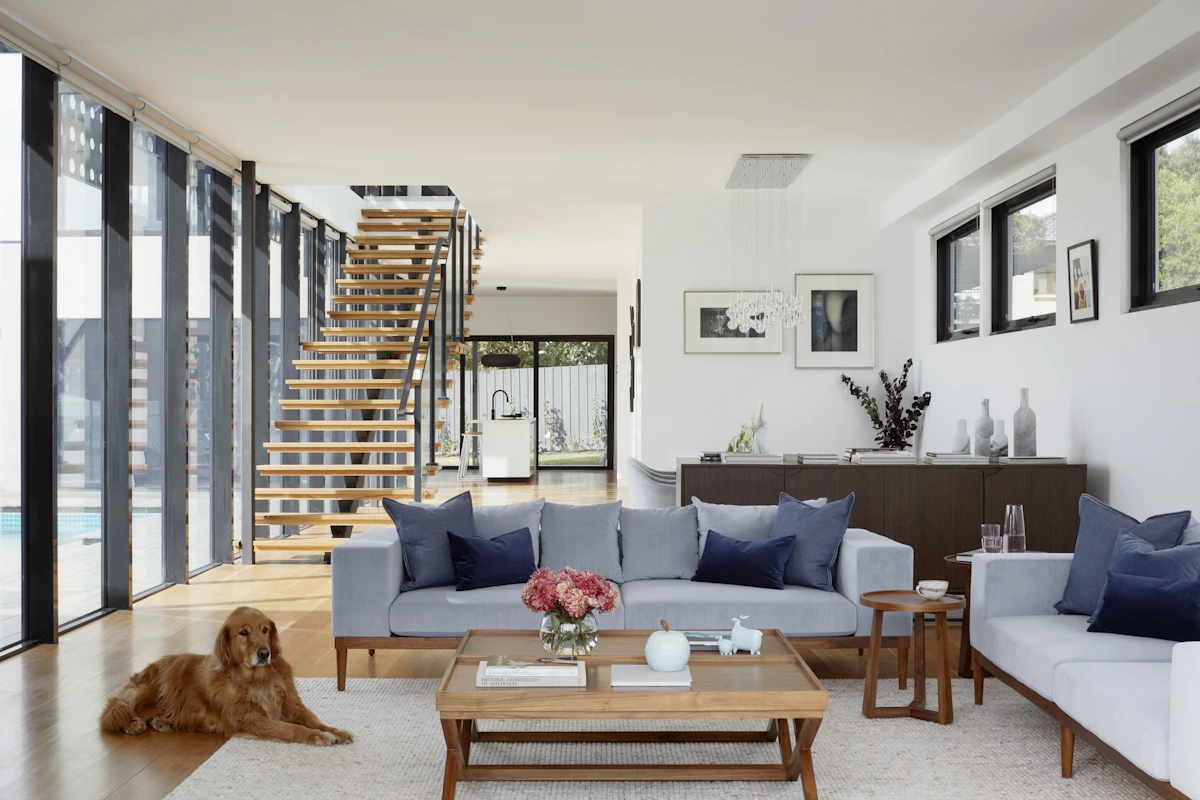
8. Common Mistakes to Avoid
- Choosing artwork that is too small: Make sure the painting relates proportionally to the sofa and wall.
- Hanging the painting too high: Keep the artwork visually connected to the furniture below it.
- Matching every color: Allow some contrast to create depth and character.
- Ignoring the room's architecture: Consider windows, fireplaces, wall moldings, and ceiling height.
- Overlooking installation safety: Use suitable hanging hardware for the painting's weight and wall type.
9. Where to Find Inspiration for Original Oil Paintings
Online art marketplaces and interior design publications can help you explore different artistic styles and discover ideas for your home.
- Saatchi Art — Discover original paintings by independent artists.
- Artsy — Explore contemporary art, artists, and galleries.
- 1stDibs — Browse fine art and design-led interiors.
- House Beautiful — Find decorating advice and home tours.
- Veranda — Explore sophisticated interior design ideas.
- Pinterest — Collect ideas for artwork placement and living room styling.
Before purchasing, check the artwork's dimensions, materials, shipping arrangements, and return policy. If you specifically want an original hand-painted piece, confirm its authenticity and production details.
Frequently Asked Questions
What size painting looks best above a living room sofa?
A useful starting point is a painting approximately two-thirds to three-quarters of the sofa's width. The ideal dimensions depend on the wall, ceiling height, and furniture arrangement.
Are large abstract oil paintings suitable for traditional homes?
Yes. Abstract paintings can complement traditional, transitional, and contemporary interiors when their colors and framing work with the surrounding furnishings.
Should the painting match my furniture?
Not exactly. Coordinating a few colors and materials is often more effective than matching every detail. A little contrast adds personality and visual interest.
How do I protect an original oil painting?
Avoid prolonged direct sunlight, excessive humidity, and heat sources. Use appropriate hanging hardware and consult a qualified art conservator if specialized care is required.
Final Thoughts
Decorating with large hand-painted oil paintings is about more than filling an empty wall. It is an opportunity to express your personality, create a visual focal point, and bring lasting artistic character to your home.
Whether you prefer expressive abstracts, atmospheric landscapes, or richly textured contemporary works, start with the proportions of your room, choose a harmonious color palette, and select artwork that you genuinely love.
With thoughtful placement, appropriate lighting, and carefully selected furnishings, a single original painting can transform your living room into a welcoming and sophisticated space.